Currency

Saddles for Sale in the UK: Why Trying Before You Buy Saves You Money
30
Jan
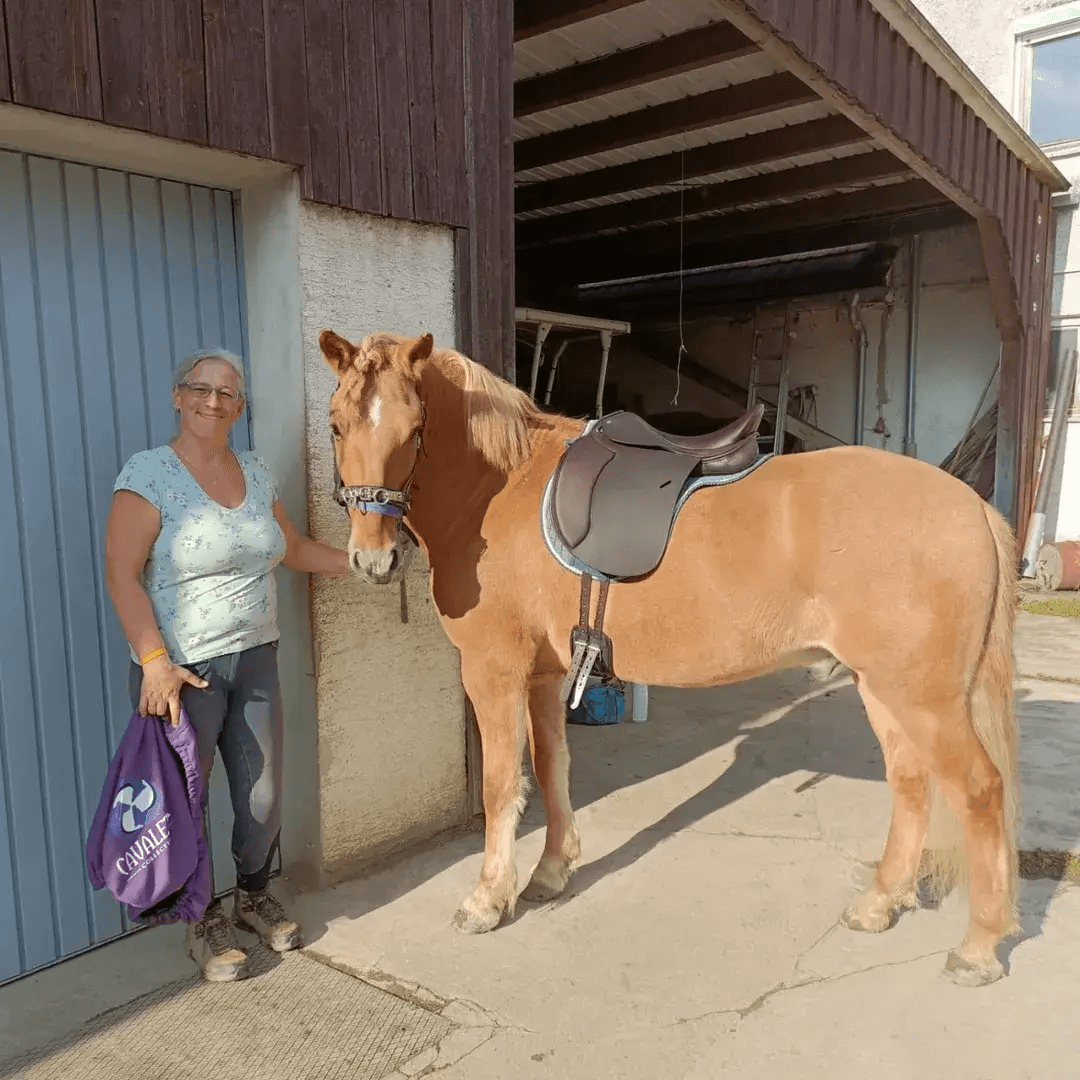
Image Credit: @sattlerei_sturm
Saddles for Sale in the UK: Why Trying Before You Buy Saves You Money
Table of Contents
- The real cost of buying the wrong saddle
- Why “it fits everything” usually costs you more
- What a 14-day trial gives you that a quick sit never will
- How to try a saddle properly (without overthinking it)
- Small acts of kindness that make saddle buying better for everyone
- Your next step
Buying a saddle is one of those moments that feels exciting and a bit nerve-wracking at the same time. You’re picturing happier hacks, steadier schooling, maybe even that little glow of pride when your horse moves freely and you can finally sit the trot without bracing. But when you’re looking at saddles for sale in the UK, it’s easy to get swept up by pretty leather, big brand names, and well-meaning opinions.
Here’s the truth we see again and again: the quickest way to waste money is to buy in a rush. The kindest thing you can do for your horse (and your bank balance) is to try before you buy, especially when you’re relying on saddle recommendations from friends, forums, or social media.
Because a horse saddle isn’t just a purchase. It’s a promise: I’m going to listen to you, notice the small signs, and keep you comfortable.
The real cost of buying the wrong saddle
You already know the obvious costs: the saddle itself, the girth, the stirrup leathers you swear you’ll replace “soon,” maybe a new pad because this one “seems to sit better.”
But the hidden costs are the ones that sting later:
- Paying for multiple call-outs because something feels “not quite right”
- Vet checks, physio sessions, or time off work when your horse starts resisting
- Loss of confidence because rides feel tense instead of joyful
- Reselling at a loss because the saddle never truly worked
And most of this happens even when the saddle looks “fine.” A saddle can sit neatly in the yard and still feel wrong in motion. That’s why trying first matters, and why thoughtful saddle recommendations should always come with one extra line: “Try it on your horse, and ride in it.”
If you’re browsing saddles for sale in the UK, it helps to remember you’re not just choosing a style, you’re choosing how your horse will feel every single time you ask them to work.
Why “it fits everything” usually costs you more
We hear it all the time:
“I was told this brand fits most horses.”
“This model suits cobs and thoroughbreds.”
“It worked for my friend’s mare, so it should be fine.”
It’s a comforting idea, but horses aren’t generic shapes. Their backs change with seasons, workload, age, fitness, and even saddle history. A horse saddle that suited your horse last spring can feel completely different after a few months of a stronger topline or a winter lull.
The risk is that you start chasing fixes:
- swapping pads
- tightening girths
- changing numnahs
- adjusting your riding to “make it work”
That’s when buying based purely on saddle recommendations gets expensive. Not because recommendations are bad, but because they’re incomplete without a proper trial and fit check.
This is exactly why people turn to saddle experts. Not for a hard sell, but for clarity when your horse is trying to tell you something quietly.
What a 14-day trial gives you that a quick sit never will
A quick sit in the arena can feel brilliant, especially if you want it to. But real life riding is where the truth shows up: in transitions, on hacks, over poles, on a fresh day, or when you’re both a little tired.
A trial gives you time to notice: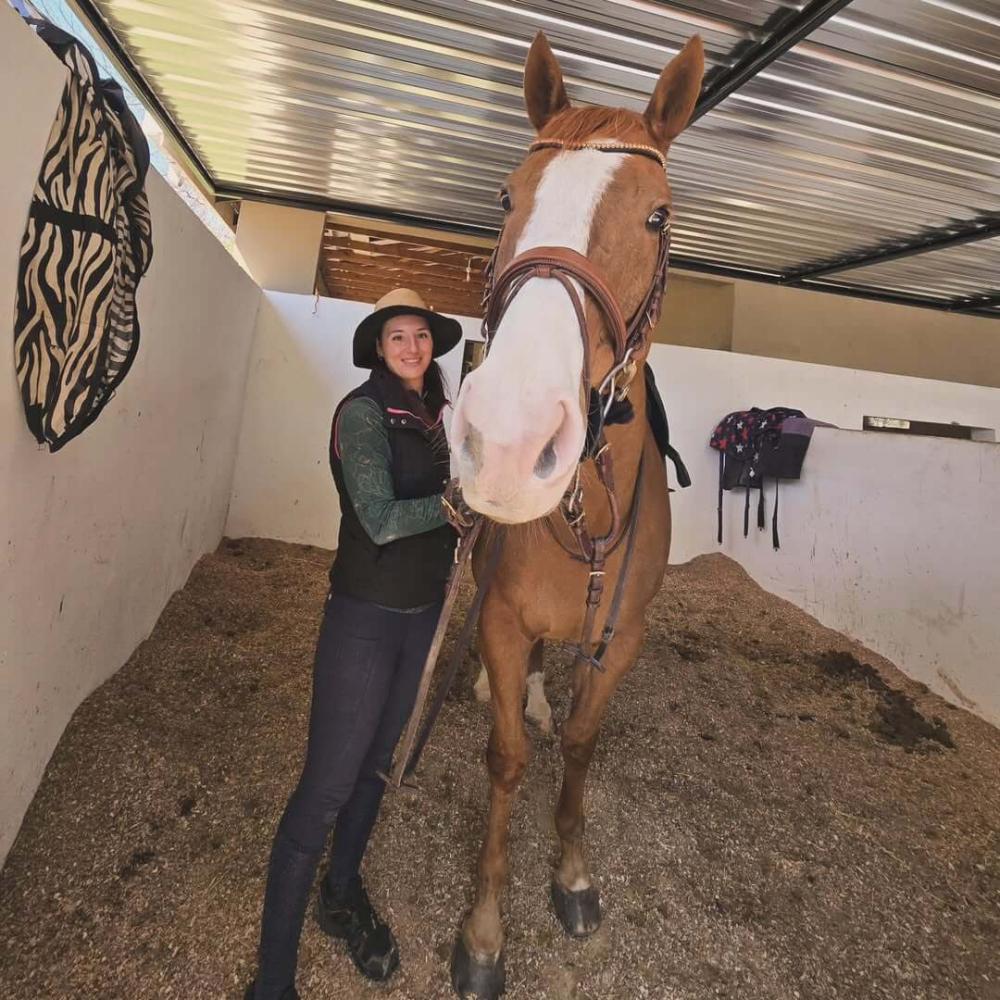
- Does your horse stride forward willingly from the first ten minutes?
- Do they soften as the ride goes on, rather than getting tight?
- Do you feel balanced without fighting for position?
- Do you finish a ride thinking “that felt easier” instead of “we got through it”?
It also gives your horse a fair chance. Some horses will object loudly. Others will simply get a bit grumpy, a bit hollow, a bit reluctant, and we brush it off as attitude. Trying before buying is one of the most responsible choices you can make, because it helps you decide based on comfort, not guesswork.
If you haven’t read it yet, this is the step-by-step guide we point riders to most often: How to Book a FREE Saddle Trial for 14 Days. It’s the simplest way to take the pressure out of choosing.
Image Credit: @laurap_eq
How to try a saddle properly (without overthinking it)
Trying a saddle doesn’t need to feel technical or intimidating. You don’t need to “know it all.” You just need a plan and a bit of honesty.
1) Start with your horse’s normal routine
Ride as you usually would. A short schooling session, a hack, a little polework, whatever reflects real life. The goal is to see if the saddle supports the work you actually do.
2) Use a consistent setup
Stick to the same girth and pad where possible, so you’re not changing variables. If you’re trialling multiple saddles, keep everything else the same.
3) Listen to your horse’s “small language”
Not every discomfort shows up as bucking or refusing. Look for:
- shorter steps on one rein
- reluctance to go forward
- tail swishing that appears mid-ride
- a back that feels “tight” or “stuck”
- ears pinning when you saddle up
A horse saddle should encourage freedom, not negotiation.
4) Get a second set of eyes
Even a quick video from the side can reveal a lot. Better still, speak to a local saddle fitter who can assess balance and movement properly. It’s not about perfection, it’s about avoiding an expensive mistake.
5) Combine feel with practical guidance
This is where saddle experts are invaluable. They’ll help you connect what you feel in the saddle with what’s happening on the horse’s back. That turns vague worry into clear action.
If you’re still browsing saddles for sale in the UK, build your shortlist first, then trial. It’s calmer, more logical, and far kinder on your horse.
The “money-saving” checklist most riders skip
When you’re tempted to buy quickly, run through this:
- Have I ridden in it more than once?
- Have I ridden in it on a different day (fresh/tired/after turnout)?
- Have I checked sweat patterns and overall comfort after rides?
- Have I had a local saddle fitter (or trusted professional) take a look?
- Am I buying because it’s genuinely right, or because I’m fed up searching?
This is the moment where better saddle recommendations look like this: “Try it first, then decide.”
And if you want the simplest place to start, use the guide here: How to Book a FREE Saddle Trial for 14 Days.
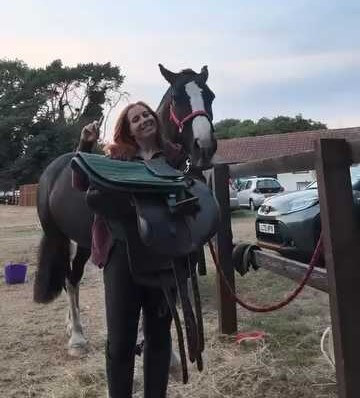
Image Credit: @appyelf
Small acts of kindness that make saddle buying better for everyone
The equestrian world can be wonderfully supportive, and also a bit overwhelming. The kindest riders tend to do small, practical things that make a big difference.
Here are a few ideas:
- Share honestly, not dramatically. If a saddle didn’t work for you, say why without blaming the horse or the brand. It helps someone else avoid the same cost.
- Recommend help, not just a product. The best advice often includes “Speak to a local saddle fitter” rather than “Buy this exact model.”
- Offer to film a friend’s trial ride. A 30-second clip can prevent weeks of discomfort.
- Be gentle with new owners. Many people genuinely don’t know what to look for. A calm nudge toward good practice is more helpful than judgement.
- Celebrate responsible choices. It’s easy to applaud shiny tack. It’s even better to applaud someone for taking time, trialling properly, and putting the horse first.
This is why we talk about working with saddle experts and trialling before buying. It’s not about making saddle shopping complicated. It’s about making it kinder and more successful.
Your next step
If you’re currently scrolling through saddles for sale in the UK, keep this in mind: the right saddle should feel like relief, not a compromise. Trying before you buy protects your horse’s comfort and your long-term budget, even if it takes a little longer upfront.
Most importantly, it helps you make confident saddle recommendations to others because you’re speaking from real experience, not a hopeful guess.
When you’re ready:
- Start here for the full process: How to Book a FREE Saddle Trial for 14 Days
- Or go straight to the trial page.
Because the best saddle recommendations are the ones that lead to softer backs, happier ears, and rides that feel like a partnership again.
Ready to buy, or want to try first?
Book your FREE 14-day saddle trial.
Recent Posts
-
Young or Sensitive Horse? How to Use a Saddle Trial to Build Confidence
 February 6, 2026
 -
Saddles for Sale in the UK: Why Trying Before You Buy Saves You Money
 January 30, 2026
 -
Poor Saddle Fit: From Girth Rubs to Hollow Backs – What to Watch For
 January 23, 2026
 -
Does My Saddle Fit? 9 Signs Your Horse Is Uncomfortable
 January 16, 2026
 -
The Year in Review: Cavaletti Highlights and Rider Achievements 2025
 December 19, 2025